
My A1C is High—Now What?
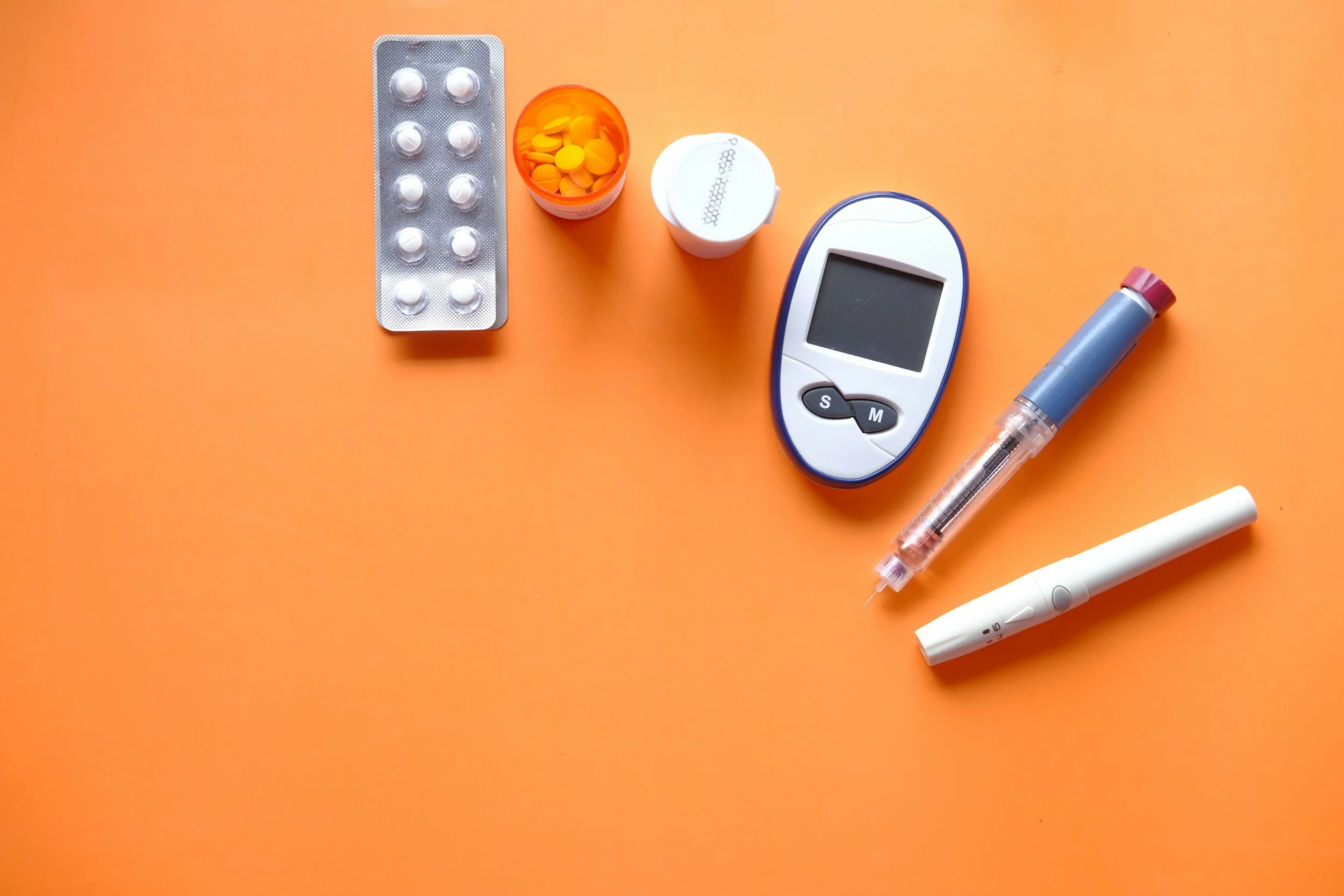
If your PCP has called attention to your A1C, blood sugar is a thing you’ll need to learn to pay attention to on a regular basis. Most doctors, however, only give general guidance on how to change your diet. One of my clients was recently told “just cut your carbs.”
Although good advice, that doesn’t tell the whole story. Carbs are a huge portion of it, but there’s a ton that goes on in addition to that.
Carbs are not the only thing that matter! A1C has everything to do with blood glucose and regulation of that. I can help educate you on these processes, but it is outside of the scope of practice for a personal trainer or nutrition coach to prescribe what to eat for you. For that, you'd need to talk to your doctor for a referral to a registered dietician.
Don’t panic, though. Let’s learn a bit about what’s affecting that most, and you’ll feel more prepared to tackle this blood metric!
What is A1C?
The A1C test can be used to diagnose diabetes or help you know how your treatment plan is working by giving you a picture of your average blood glucose (blood sugar) over the past two to three months (American Diabetes Association A1C).
When it comes to the numbers, there's no one-size-fits-all target. A1C target levels can vary by each person's age and other factors, and your target may be different from someone else's. The goal for most adults with diabetes is an A1C that is less than 7%.
A1C test results are reported as a percentage. The higher the percentage, the higher your blood glucose levels over the past two to three months. The A1C test can also be used for diagnosis, based on the following guidelines:
If your A1C level is between 5.7 and less than 6.5%, your levels have been in the prediabetes range.
If you have an A1C level of 6.5% or higher, your levels were in the diabetes range.
Your doctor should talk to you about your results. If they do not, ask questions! Please please take your health into your own hands and ask if you don’t understand!
There are a handful of ways to lower A1C outside of medication, and that’s what we’re going to explore. If your doctor is open to you trying to lower it on your own before medication, this is your guide. If they insist on medication, you should listen to them :)
The Diabetes Plate
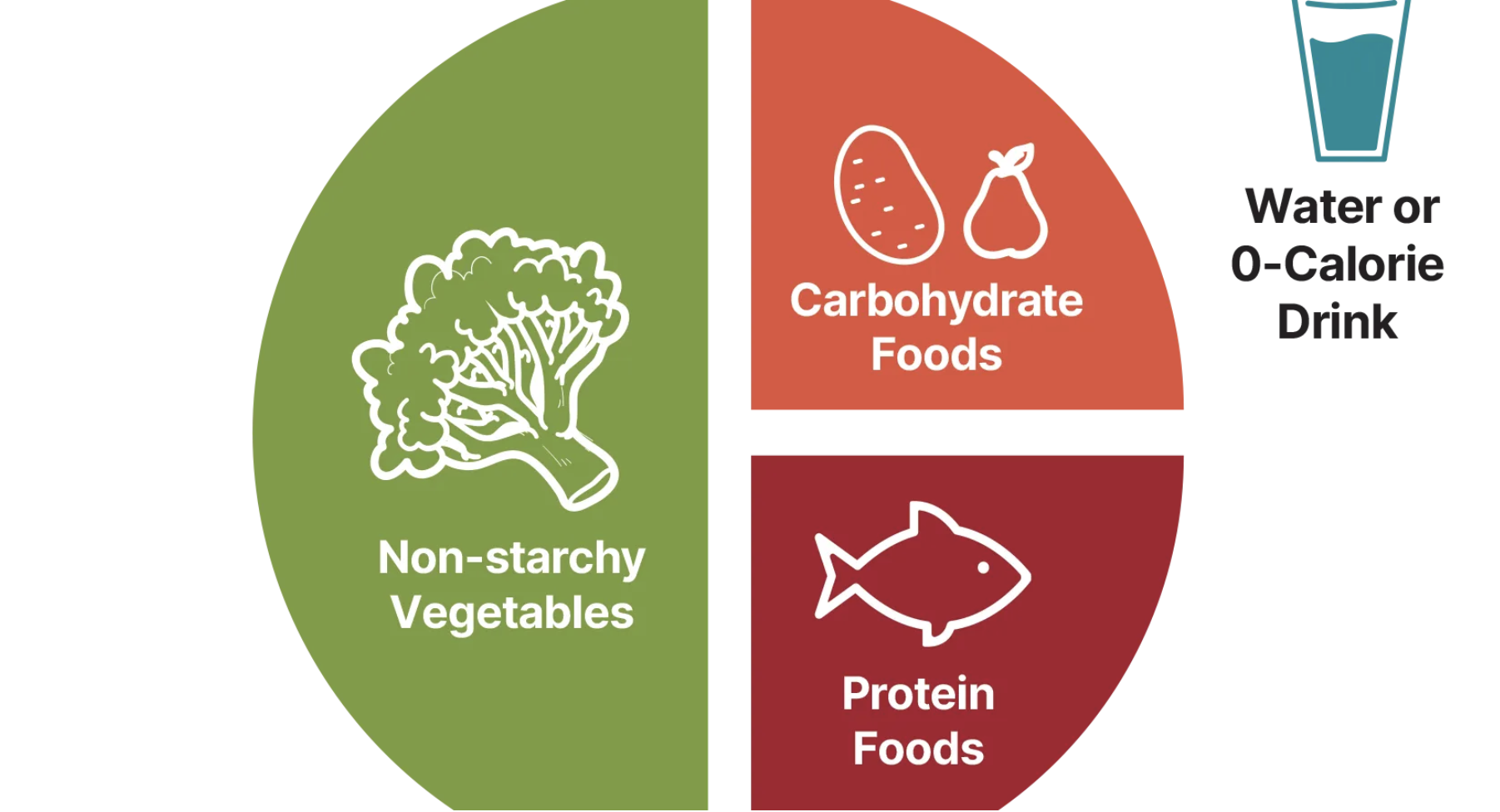
Here is the link to this web page for the American Diabetes Association page for the suggested way to build a plate to support blood sugar stability. It goes into way more detail than I'm going to in this email, but I'm going to simplify what's most important.
Non-starchy vegetables - suggestion of half your plate full of these foods that are high in fiber, vitamins, and minerals, but low in carbohydrates that raise blood sugar. Includes, but is not limited to: asparagus, celery, carrots, cauliflower, cucumber, eggplant, onions, okra, leafy greens, tomatoes, radish, and green beans
Proteins - suggestion of one-quarter of your plate full of these foods that are high in protein. Chicken and turkey being lower in fat, beef, pork, and fish being higher in fat. Includes, but is not limited to: chicken, turkey, eggs, tofu, beef, cottage cheese, lean deli meats, and nuts.
Carbohydrate Foods/Starches - suggestion of one-quarter of your plate full of these foods that are higher in carbs. Includes, but is not limited to: whole grains (brown rice, oats, popcorn, quinoa) and whole grain products (pasta, tortillas, bread), starchy vegetables like potatoes, beans, fruits, and dairy products like milk and yogurt (and milk substitutes).
Water or 0-calorie drinks - has no effect on blood glucose. Includes, but is not limited to: unsweetened tea, black coffee, sparkling water, infused water, diet soda and other diet drinks.
Unfortunately most doctors don't give enough nutritional guidance on what exactly is needed in times like these. General guidelines are given to everyone: "lower carbs" or "begin an exercise program" are great advice for some people, but some more individualized guidance is usually helpful!
Some additional resources: ADA Understanding Carbs; ADA Healthy Eating
Other Areas to Inspect
Not only is the food you eat important, but these other areas of your life can have a massive effect on your brain and it’s ability to send the signals your body needs to properly handle blood glucose. Like putting gas in a car, but no oil in the engine—it’s not going anywhere far.

Sleep
Getting an adequate amount of sleep (at least 5-9 hours) is the only way your brain and body can recover and rebuild from the day you lived. Lack of sleep can keep you from building muscle, keep your body fat from lowering, and throw your hormones out of whack (for a very simple way of saying it). And since those hormones control everything from hunger cues to muscle contraction to insulin response, sleep might be your biggest area of improvement. You’ll have to look at your own sleep habits to see where you can improve—this is also an area where a coach can be helpful for a little guidance and third-party observation.

Strength training
This is the reason my in-person clients came to me! Most people join a gym or get a trainer to begin an exercise regimen for health reasons, whether that’s for losing weight or improving bloodwork metrics. We begin with bodyweight exercises to get your body ready for harder stimulus, then move to moving heavier weights. These muscles are what burn calories and help regulate blood sugar. Not to mention that more muscle helps bone density and keeps you healthier later into life than those with lower muscle mass.

Hydration
Those muscles also help you stay more hydrated. Using the urine color scale, your urine should be a pale yellow color. If it’s darker than that, you don’t have enough water in your system. Proper hydration is important for every body process, as it keeps your blood liquid enough to move easily! That water you drink directly correlates to how your blood flows through your blood vessels and how saturated it becomes with the sugar moving through there. Those muscle cells need that water to function!
Begin with these changes—make sure you’re doing what you can on your own, and don’t be scared to ask your doctor for a recommendation for a registered dietician! They can give you specific meal plans, supplement prescriptions, and take a deeper look into the science of your specific body. I can help you with some education about how it all works and what we can do to cover all our bases, if you will, but specific meal plans are outside of my scope of practice!
I know this was a lot of information, but take a look at it, digest it, and reach out with any questions you may have!
—bk