
Birthday Cake and Why I'll Never Put a Food Off Limits.
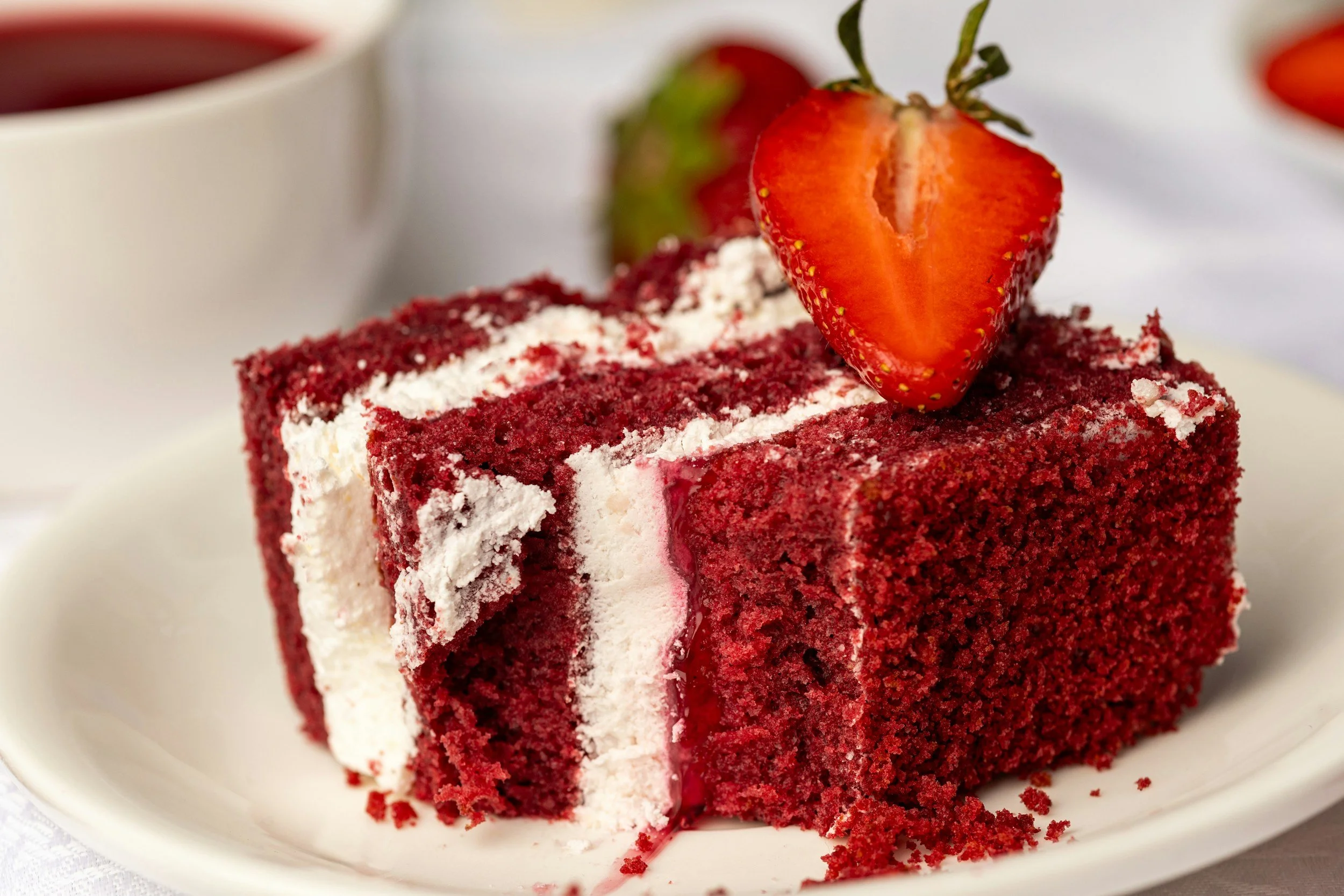
You're at your best friend's birthday party. The friend group pitched in to get her favorite red velvet cake with vanilla ice cream. You're so excited to celebrate—but you can't have any of it. You made a deal with yourself that you'd be "good" this week. Swimsuit season is coming up.
Everyone is having cake and ice cream. Maybe a glass of champagne.
But not you.
You want it so bad—red velvet is your favorite. Maybe just a piece. A tiny bite of icing.
A tiny bite of icing that turns into one actual piece of cake. It was delicious. It was a celebration.
But now you've failed today.
Have you felt that before? That specific feeling of letting yourself down over something that was supposed to be joyful?
That feeling is exactly why I will never tell a client she has to cut foods out of her diet. We might have conversations about limiting certain things depending on your goals—but I will never, ever tell you to sit out of a birthday celebration.
The problem with cutting things out
Diet culture has spent decades telling us that the path to feeling better in our bodies runs directly through restriction. Cut the carbs. Eliminate the sugar. Avoid the alcohol. Earn your treats. Be “good” during the week so you can be “bad” or “cheat” on the weekend.
And maybe it works—for a little while. Complete restriction can produce results in the short term. But here's what restriction also produces: obsession, guilt, an all-or-nothing mindset, and a relationship with food that makes a piece of birthday cake feel like a moral failure.
That's not health. That's punishment with a good marketing strategy.
The restrict-overeat cycle isn't a character flaw. It's a completely predictable response to deprivation. When we tell ourselves we can't have something, we think about it more—that's basic psychology, backed by decades of research on diet mentality. The more off-limits something becomes, the more mental real estate it takes up. And eventually, inevitably, the restriction breaks. Then comes the guilt. Then comes the renewed restriction. Then the cycle starts again.
I've watched this happen to women who are smart, capable, and completely capable of building sustainable habits. The plan wasn't the problem. The approach was.
A quick but important distinction
I want to be clear about something: restriction isn't always wrong. There are contexts where it makes complete sense—competitive bodybuilding, weight-class sports, or specific medical situations where getting lean quickly is part of the goal. In those cases, a more structured, limiting approach is appropriate and intentional.
I talk about restriction with almost all of my nutrition clients—usually in terms of self-discipline. I don’t mean “never eat cake again” discipline, but especially for people who have a big sweet tooth like me, something that works really well is selective restriction and substitution. Instead of grabbing a cookie when I’m stressed out this week, I’ll carry my journal with me and write things down instead. Or I’ll do ten squats instead. Selectively, I’m obstaining from the cookies this week, but it’s because I know I’m an emotional eater.
I don’t have statistics to back it up, but I’d be willing to bet that 1 in 2 women eat emotionally, especially in the US. I’m not a psychologist, so I’m not qualified to help you work through your issues, BUT I can help you learn to stop and choose better alternatives than snacks that hold you back from your goals <3
That’s why we talk about adding, not subtracting. Before that birthday party, if you had a nice balanced meal, you’re not really going to want a huge slice of cake. You may genuinely only want a little icing, or a bit of your friend’s piece. You’ve filled up on really nourishing food instead of the sugar.
What I do instead
A few years ago I started asking “what can we add?” instead of "what should we cut out?"
It sounds almost too simple. But the shift in what it does to your relationship with food is not small.
When you focus on adding—more protein, a better breakfast, a glass of water before you reach for a snack—you stop fighting your food. You start working with it. Over time, adding more of the good stuff naturally crowds out the patterns that weren't serving you, without a single ban, rule, or cheat day.
You have cake at your best friend's birthday. You also had a protein-forward breakfast that morning and a solid lunch. The cake is one moment in a day of good decisions—not the moment that defines everything.
That's the whole philosophy. we call it Add, Don't Subtract.
What this looks like in practice
Here's what adding looks like on an ordinary Tuesday when life is crazy:
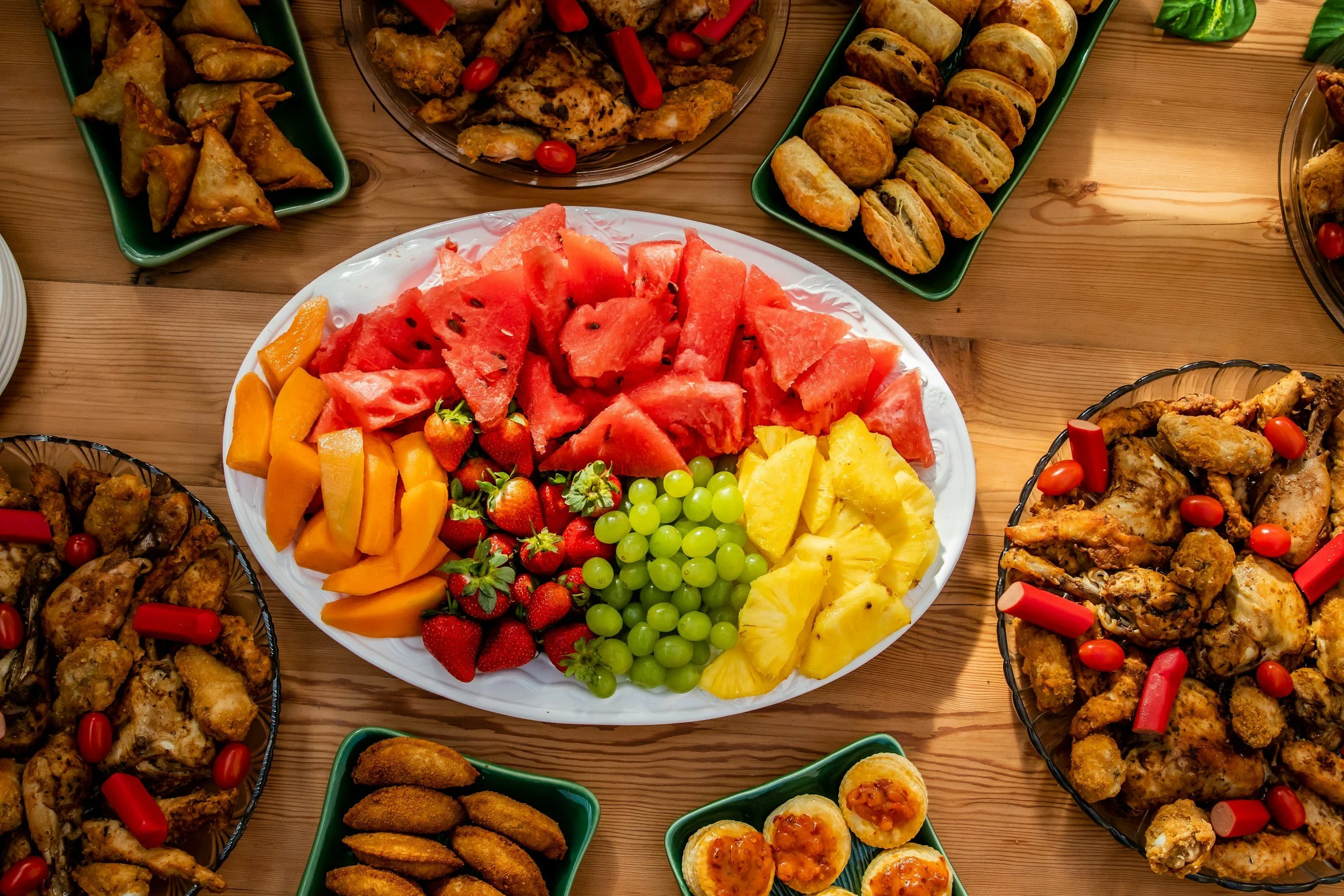
You're having a salad for lunch—add a boiled egg or some grilled chicken. You're eating crackers and hummus as a snack—add a cheese stick or some turkey alongside it. You're having pasta for dinner—stir in some white beans or add a side of shrimp. You're reaching for fries with your lunch—grab a small handful of grapes or apple slices on the side.
You're not overhauling anything. You're not white-knuckling through a meal plan. You're just asking one question at every meal: what can I add to make this more nourishing?
Small additions. Real difference.
This is also why the morning matters so much. Most of my new clients are skipping breakfast or grabbing coffee and calling it a meal. By 2pm their blood sugar has crashed, they're reacting instead of choosing, and by dinner they're eating a bag of chips while cooking because they can't wait any longer. Then they wonder why they feel out of control around food.
They're not out of control. They're under-fueled. And it started at breakfast.
Anchoring the morning—eating something real with protein before the day takes over—changes everything downstream. Not because breakfast is magic, but because your body works with you when you fuel it early. It works against you when you don't.
Why I'm telling you this
I'm not sharing this philosophy because it's trendy or because it's what people want to hear. I'm sharing it because it's what works for the women I coach—busy women with full lives who don't have the time or energy to fight with their food on top of everything else they're managing.
You don't need more rules. You need a framework that fits your real life. One that lets you have the birthday cake and still feel good about how you're taking care of yourself.
That's what I built my entire coaching approach around. And if you want to see what it looks like in practice, I put together a free guide called Add, Don't Subtract—three simple nutrition shifts for busy women who are done overthinking food. No tracking, no elimination, no overhaul required.
Grab it free here. It's a good place to start.
— bk