
How to Start a Training Block Without Burning Out in Week One
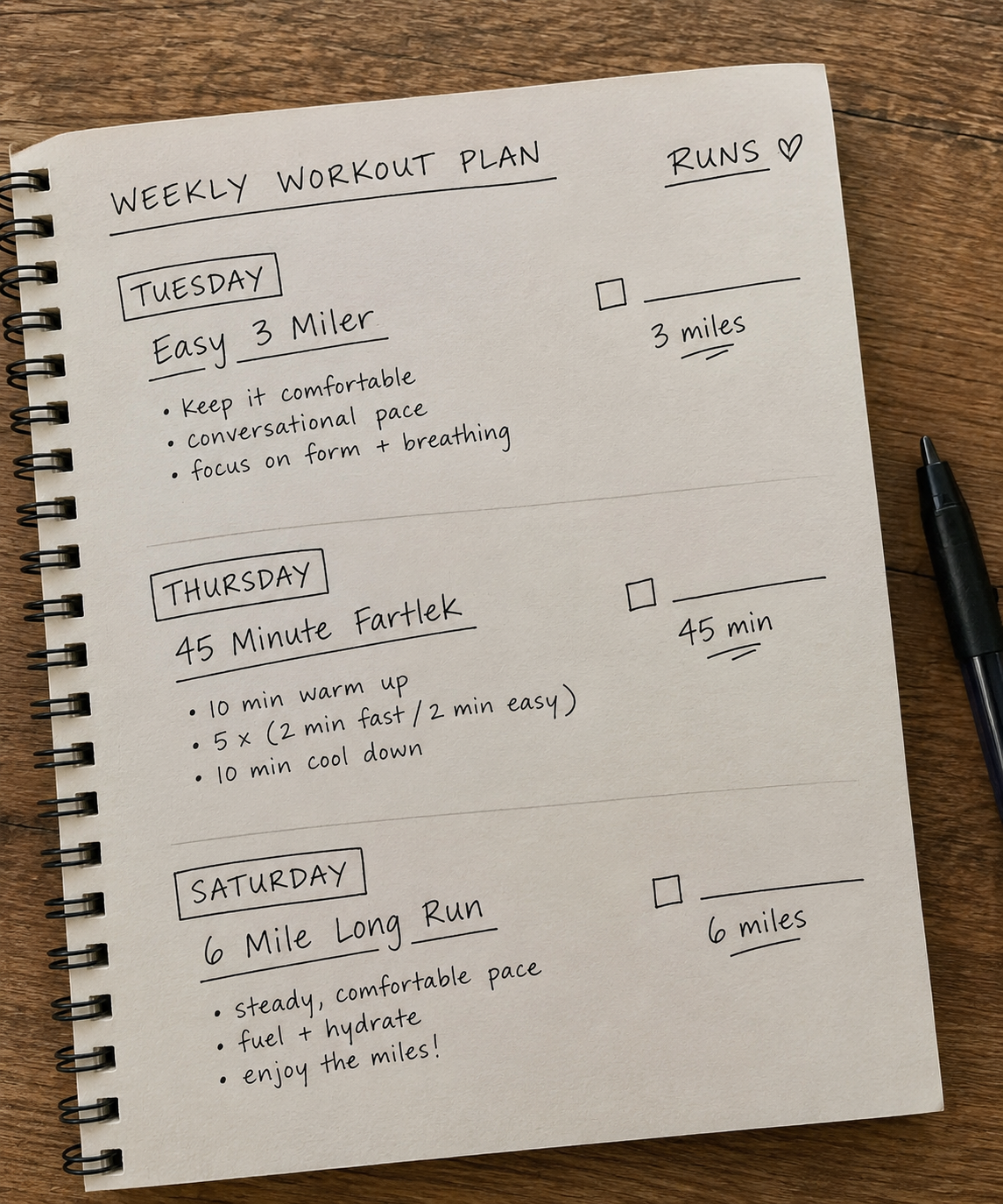
I've watched this exact thing happen to more than one client of mine. Week one of a new training block, and they're already going out harder than the plan actually called for—excited, wanting to prove they've still got it. Day two, same thing, a little sorer this time, ignoring it. By day four they're exhausted, cranky, quietly dreading the next session instead of looking forward to it. Nothing had gone wrong, exactly. They'd just started like it was the finale instead of the first mile of a much longer thing.
Here's what I've learned, coaching people through that exact moment over and over: week one isn't the week you prove anything. It's the week you set the pace for everything after it. If you come out too hot—too many miles, too much weight, too strict a food plan, all at once—you're not being disciplined. You're borrowing against week three. And week three always collects.
The actual skill in week one is restraint, which is a weird thing to say because restraint doesn't feel like progress. It feels like you're leaving something on the table. You run a mile and it feels too easy, so you want to add one more. You cut back on sugar for two days and feel so good you want to overhaul everything else too. Don't. The whole point of week one is that it should feel almost too manageable—slightly boring, even. That's not you underperforming. That's you building something that can actually hold weight in week six, instead of something impressive that collapses in week two.
This isn't just a running thing, either. Doesn't matter if you're starting a running block, getting back into strength training after a long break, or just trying to eat like a person with an actual life instead of a meal plan for the first time in months—the mistake is the same one wearing a different outfit. Go out too hard, too fast, too all-at-once, and you'll feel amazing for about four days and then quietly quit somewhere around day ten, usually blaming yourself instead of the pace you set. Slower and more sustainable isn't the consolation prize. It's the actual strategy.
So if you're starting something this week—a race training block, a strength habit, a different relationship with food—do less than you want to on day one. Let it feel too easy. That's not you playing it safe. That's the only version of this that's still standing in week six.
If you want a plan that's already built with that pacing in mind, Run Ready walks through exactly this for runners—or reach out if you want to talk through what it looks like for your own week one.
-bk